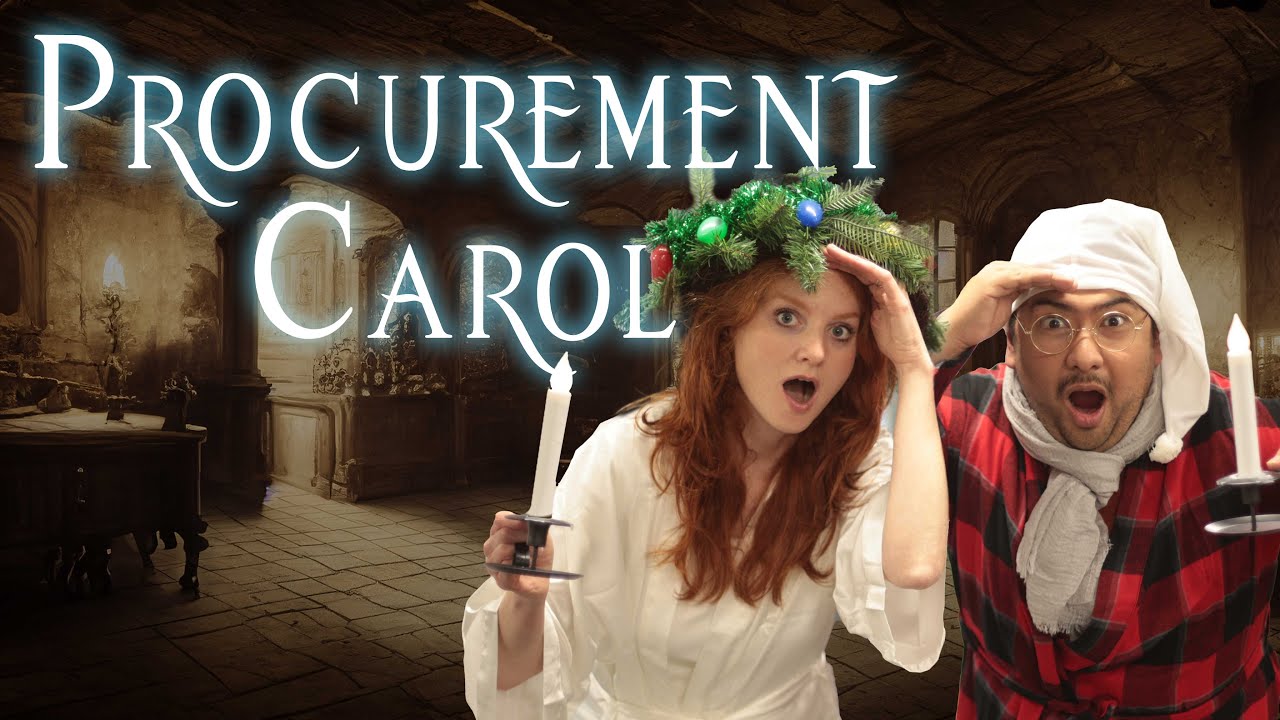
Follow a Contracting Officer through one long night with three ghosts.
This video-based course uses a Christmas Carol structure to teach five tenets of employee experience:
- Listen
- Recognize
- Support
- Grow
- Empower
The ghosts show the Contracting Officer what happens when an office treats every idea as a distraction and every employee as replaceable.
It loses both, once the paperwork outweighs the mission it's supposed to serve.
The story starts at a break room fire and moves through a boardroom pitching "agile, innovation, scale."
Along the way you see two kinds of departures: the employee who leaves quietly after years of being unheard, and the one who might have stayed if someone had just asked "tell me more."
By the end, you'll be able to:
- Spot the early signs of a workforce in trouble
- Apply the five tenets before your own Amanda hands you a resignation letter
- Build a culture that produces critical thinking and mission results, not an office replaced by robots that only say "order complete"
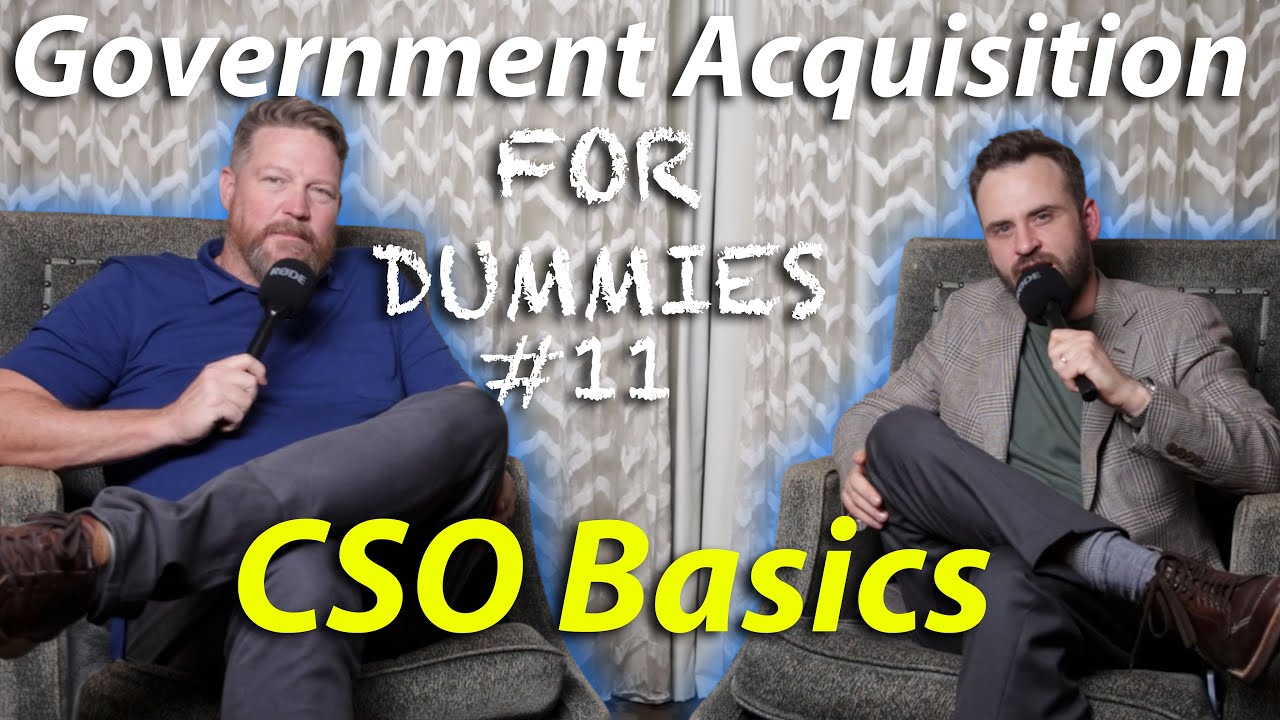
Cut through the confusion around Commercial Solutions Openings (CSO) in this conversational, no-frills course built around a plain-English breakdown of one of DoW's most misunderstood acquisition tools.
Follow along as Will and Scott untangle what a CSO actually is, and isn't.
They trace its origins from the government's Cold War dominance over industry innovation to today's reality where the private sector is calling the shots.
Learn how the CSO bridges the gap between a Broad Agency Announcement's (BAA) research-and-development roots and the commercial marketplace's cutting edge.
It may be your best bet for reaching the non-traditional vendors and startups your agency actually needs.
Leave this course equipped to:
- distinguish a CSO from a Request for Proposal (RFP), BAA, and Request for Information (RFI)
- understand what qualifies as a commercial innovation
- know where and how to post your solicitation (yes, even on LinkedIn)
- see how tools like the Tradewinds Solutions Marketplace put it all into practice

Get back to the core principles in this conversational, no-frills primer on the foundations of federal contracting.
Follow along with Will, Alex, and Miss Loretta from a one-room schoolhouse on the edge of a Wild West tour attraction.
They unpack what a contract actually is, how one forms, and why a government contract exists for an entirely different customer than its commercial cousin.
Trace federal procurement back to Article 1 of the U.S. Constitution.
Walk the constitutional relay race that puts Contracting Officers (CO) at the intersection of all three branches of government.
See how the Revolutionary FAR Overhaul (RFO) reorganized the rulebook around the acquisition lifecycle.
Move through pre-award, award, and post-award to understand where mission success actually happens.
Leave this course equipped to:
- Define a contract under the FAR
- Identify offer, acceptance, and consideration in any solicitation
- Tell a Request for Proposal (RFP), Request for Quote (RFQ), Invitation for Bid (IFB), Broad Agency Announcement (BAA), Commercial Solutions Offering (CSO), and Indefinite-Delivery Indefinite-Quantity (IDIQ) contract apart
- Ground every decision in the principles of transparency, fairness, integrity, mission, and merit
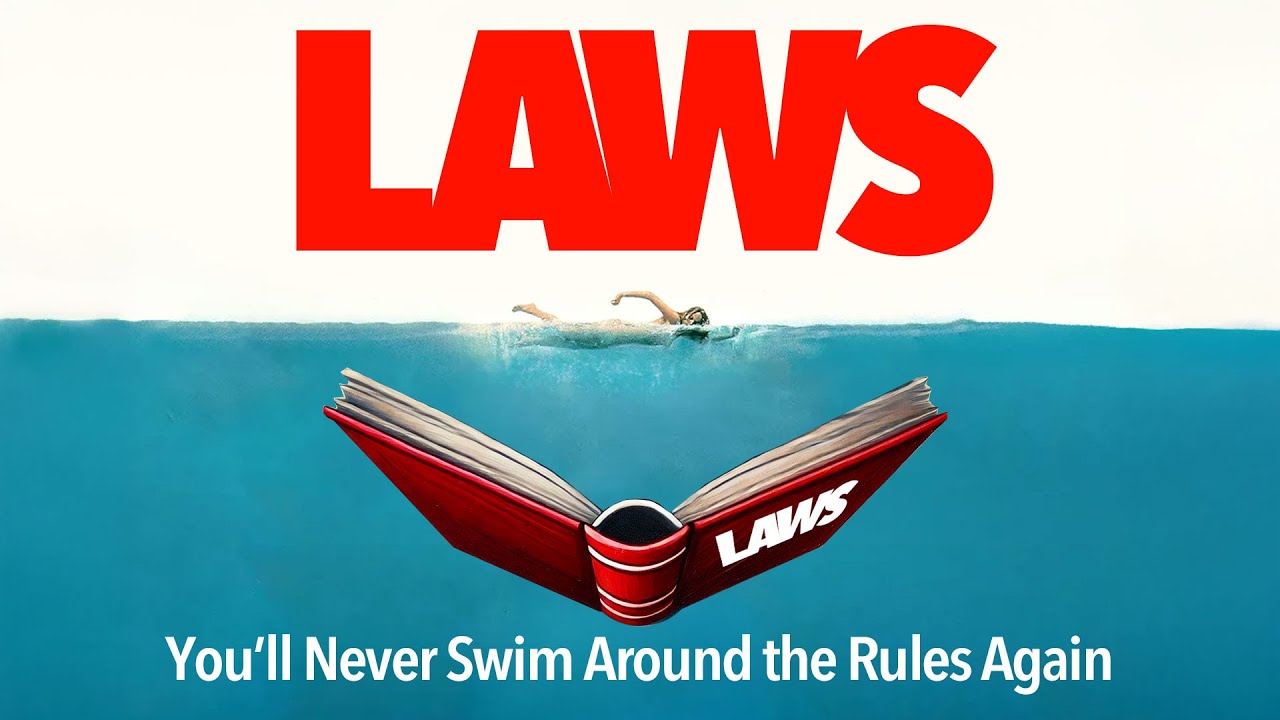
Navigate the ethical waters of government contracting in this video-driven course built around a Jaws-inspired storyline.
Follow a coastal contracting office under siege by LAWS — legal violations threatening mission integrity.
The course builds the knowledge to recognize, prevent, and respond to the ethics pitfalls that put contracting operations at risk.
Learn how strong ethics practices protect not just your agency, but the trust, fairness, and accountability the acquisition system depends on.
Leave this course equipped to identify ethical red flags, apply the standards that keep contracting clean, and become the kind of professional who swims toward the problem and not away from it.

Sink your teeth into agile contracting in this video-driven course built around a vampire-inspired storyline.
Follow Countracula, a centuries-old creature of the night whose legacy acquisition processes have left him hungry for results.
The course builds the knowledge to modernize how your team buys digital services.
Learn how iterative, user-centered approaches replace the overprescriptive ways of the old world.
Focusing on end-user needs, empowered product owners, and working software beats a bloated statement of work every time.
Leave this course equipped to craft a compelling product vision, build and prioritize a backlog, write meaningful acceptance criteria, and run sprints that deliver real value before your vampire quota drops any lower.

Put down the seven-pump caramel Frappuccino and step away from the Statement of Work (SOW).
In this video-driven course built around a husband's catastrophic food run, it reveals one of digital services contracting's most powerful but underused tools: the Statement of Objectives (SOO).
Follow Will as he commits every requirement-owner sin in the book, from boxing his End User into a predetermined solution to writing a SOW so specific it still misses the point entirely.
Learn how a simple shift in approach could have gotten Sarah what she really wanted — and gotten your program office a solution that actually works.
Learn why chasing symptoms instead of causes leads to over-specified, under-informed solicitations.
Focusing on problem statements, user objectives, and constraints opens the door to competition that surfaces solutions you never would have prescribed yourself.
Leave this course equipped to draft a lean, effective SOO, give offerors the right constraints without over-directing their proposals, and evaluate responses with confidence.
So your next acquisition ends with the contracting equivalent of the Mumbles coming over to a happy household.

Spend a beautiful day in the neighborhood with Mr. Roberts, a Contracting Officer (CO) who thinks a post-award debrief should feel less like a legal deposition and more like a conversation.
This video-driven course opens on a number that should bother every CO:
Of 1,658 protests filed in FY2022, only 59 were sustained.
That 13% gap isn't really a legal problem, it's a communication one.
Because the government keeps making defensible award decisions and then explaining them so thinly that industry protests instead of believing them.
Built around four rules of relational debriefing, the course reframes FAR 15.301, Postaward debriefing of offerors, from a box to check into a relationship to build.
It shows the daylight between a traditional debrief written to defend the government's position and a relational one held to actually help the offeror who lost.
Follow Mr. Roberts as he:
- Drops the legalese
- Opens up instead of hiding behind the protest clock
- Shifts the conversation from the award that's already decided to the work still coming
- Finds time for all of it, even when he's short-staffed and desperate to stay protest-free
Leave equipped to:
- Say what you can
- Know what you can't
- Send a losing offeror home ready to compete again for the next solicitation, instead of ready to protest next week
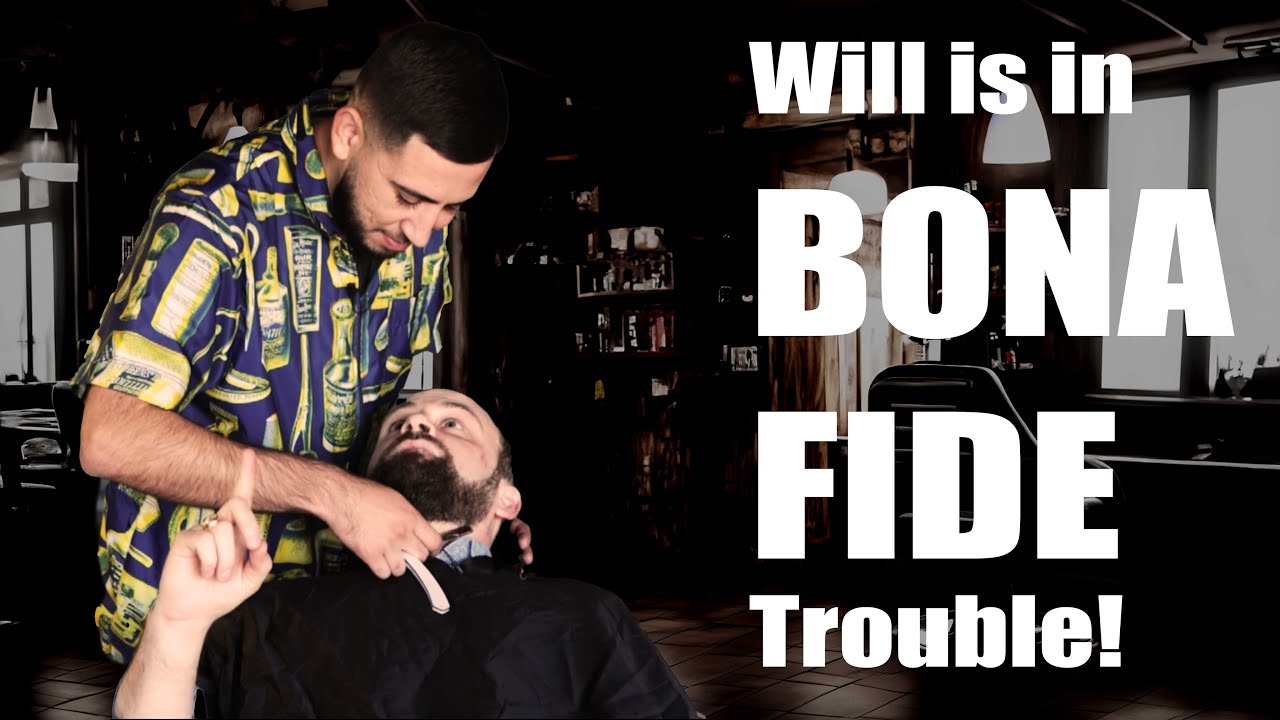
Take a seat in the chair and let a suspiciously enthusiastic barber walk you through one of fiscal law's most misunderstood concepts in this video-driven course on severable and non-severable services.
Built around the Bona Fide Needs Rule, this course untangles why the difference between a recurring service and a single unified undertaking matters enormously.
This matters especially when the fiscal year clock is ticking and your agency is sitting on a pile of late-arriving funds.
Follow the logic from basic appropriations principles through real-world examples.
Learn why cutting some contracts in half leaves value on the table, while others fall apart entirely without that final culminating event.
Leave this course equipped to classify your contracted services correctly, apply the one-year exception for severable services spanning fiscal years, and tell the kind of story that keeps your awards clean, compliant, and — unlike some barbers — not a crime scene.
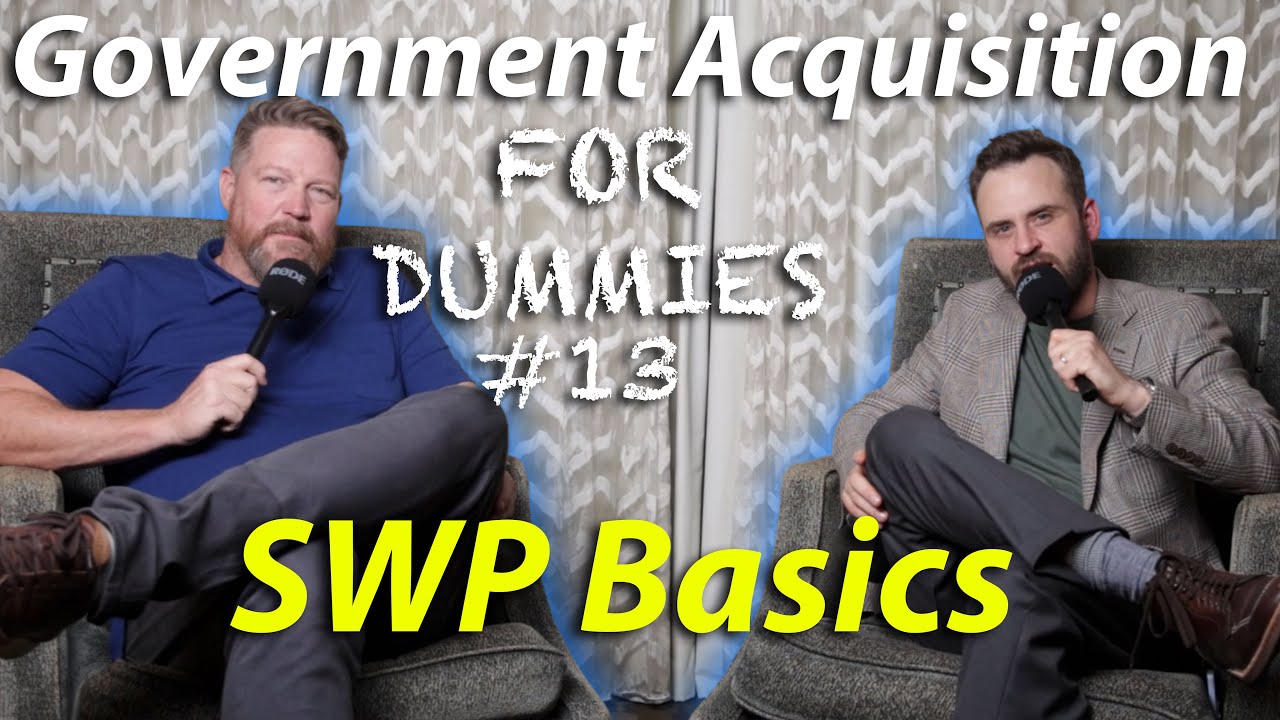
Two hosts, one new pathway, and a running argument over whether it's pronounced "swoop" or "swap."
This video-based course explains the Software Acquisition Pathway (DoDI 5000.87), the lane the DoD built in 2020 to buy and build software before the technology it's chasing goes obsolete.
It starts with the distinction most contracting talk skips:
- Little-a acquisition is making the deal
- Big-A acquisition is the whole life cycle around it
From there it shows why the old milestone process — the infamous spaghetti chart with its JCIDS boards and milestones A through C — can't field AI at the speed AI actually moves.
The hosts keep it plain.
Planning is meant to be short, so you:
- Kick the software out of the nest early
- Get a first iteration in front of the end user
- Keep going if it works, or pivot if it doesn't
You'll see how a Commercial Solutions Opening and an Other Transaction fit together to prototype, produce, and sustain.
And why good AI never reaches a finish line: a model that stops learning starts dying.
By the end, you'll be able to:
- Tell big-A work from little-a
- Judge when the Software Acquisition Pathway fits and when it doesn't
- Design a software or AI effort that delivers early, iterates, and keeps the exits open
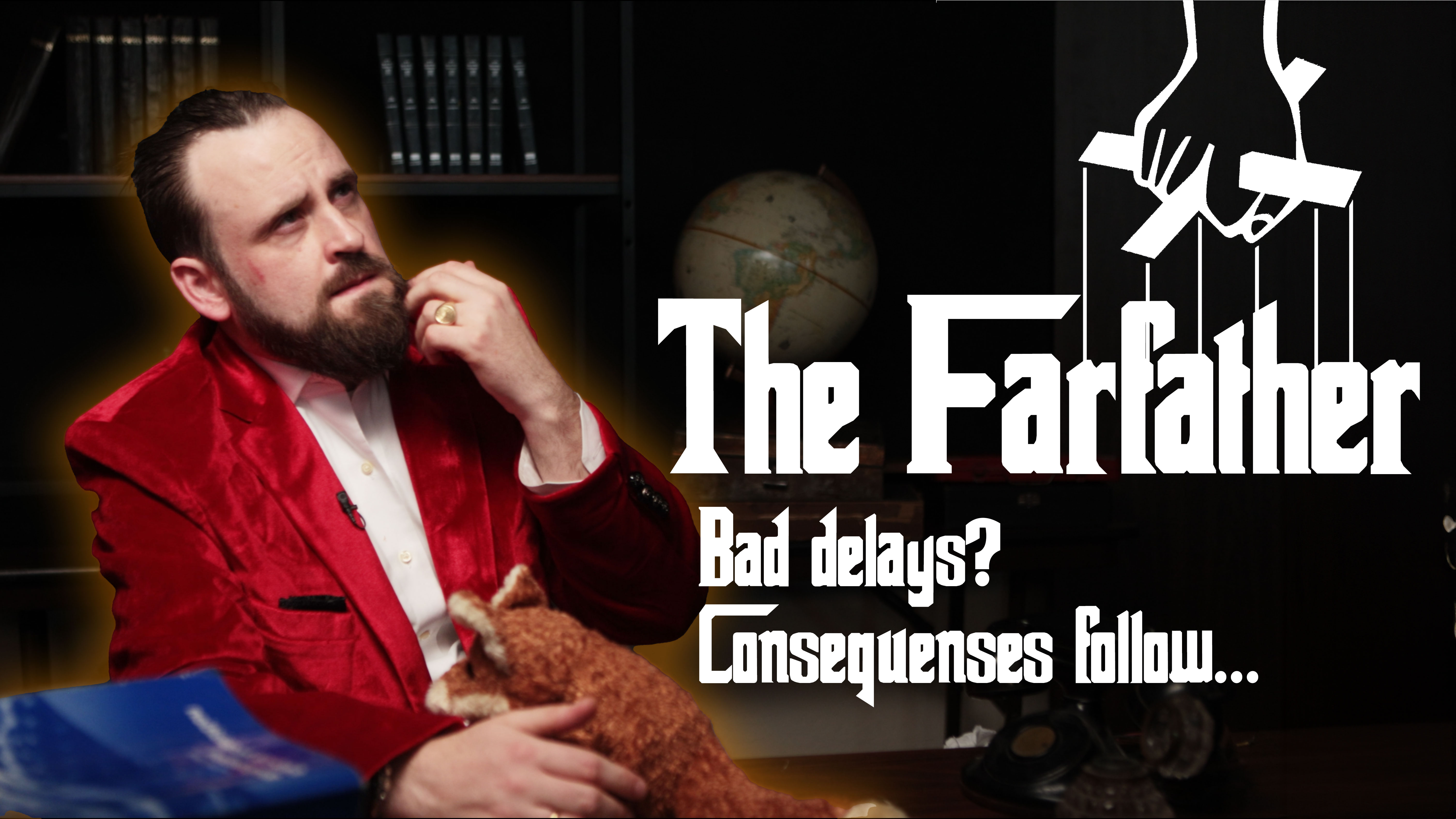
Sit down at the table, keep both hands where everyone can see them.
Let a wise contracting mentor known as the Farfather walk you through what to do when contractor performance starts to slip, in this video-driven course on managing bad contractor performance.
Built around the family of FAR clauses that protect taxpayer dollars, the course follows a young learner named Michael through every tool a COR or CO needs:
- CPARS ratings under FAR 42.11
- The excusable delays clause when the government is at fault
- Invoice rejection for non-conforming work
- Cure and show cause notices
- The four termination paths — convenience, default, no-cost settlement, and commercial cause
Learn:
- Why some performance problems are actually the government's responsibility
- How to escalate fairly when the fault sits with the contractor
- Which termination clause fits which situation
Leave equipped to:
- Document performance honestly
- Apply the right FAR clause at the right moment
- Run a kickoff meeting that prevents these problems from arising in the first place
All while keeping:
- Your awards clean
- Your taxpayers protected
- (Figuratively, of course) no one sleeping with the fishes